For organisations · Burnout prevention
Burnout prevention for teams: signals before symptoms.
Burnout rarely arrives as one big moment. It builds quietly, through poor sleep, short tempers, low energy and people running on empty, long before it shows up as sickness absence or resignations. I help your people spot the signals early and act on them.
At a glance
- Formats
- 45–60 minute talk · half-day workshop · 3- or 6-month programme
- Group size
- talks for any size; workshops for up to 20 (larger groups on request)
- Delivery
- onsite across the UK, or online
- Who it's for
- all staff, managers and leadership teams
- People leave with
- simple actions to use the same day, plus a digital toolkit
- Investment
- talks from £500, workshops from £950, programmes from £1,800
Why it matters
22.1 million
working days were lost to work-related stress, depression and anxiety in Great Britain in 2024/25, affecting an estimated 964,000 workers.
Source: HSE, Work-related ill health statistics 2024/25Most of that cost builds up long before anyone is signed off. Prevention means helping people notice what's happening earlier, and giving them the capacity to handle pressure without it tipping into burnout.
What your team will work on
The early signals
What stress and burnout look like before they become a crisis: in the body, in mood and in behaviour.
Your personal warning signs
Each person maps their own signals and the situations that drain them most.
Widening capacity
Sleep, recovery, movement and nutrition habits that raise how much pressure people can handle.
Switching off
Boundaries, recovery and routines for an always-on world.
Spotting it in others
How to notice the signals in colleagues and start a supportive conversation, with a version tailored for managers.
Every session ends with simple, specific actions people can use the same day.
When teams book this
- A busy season, deadline or restructure is coming, and you want people prepared rather than depleted.
- You're seeing early signs: more absence, short tempers, small mistakes, people quietly withdrawing.
- Your wellbeing offer is reactive, and you want something that works earlier.
- You're planning a wellbeing week or Stress Awareness Month and want a session people actually use.
Start with a session. Go further with a programme.
Workshop (half day)
Practise the tools and build personal action plans.
Programme (3–6 months)
Turn awareness into habits, with 1:1 time for the people who need it most.
See programmes →★★★★★
“We had the pleasure of working with Lewis for a virtual mindset workshop as part of our Activate Purpose 12-week entrepreneurship program. Lewis led a session on limiting beliefs and growth mindset for our group of 14 entrepreneurs, and he was personal, encouraging, and truly inspirational throughout. He held everyone's attention from start to finish, kept the group engaged, and helped participants realise that with the right mindset, they can become unstoppable in pursuit of their goals. The feedback from our participants was overwhelmingly positive.”
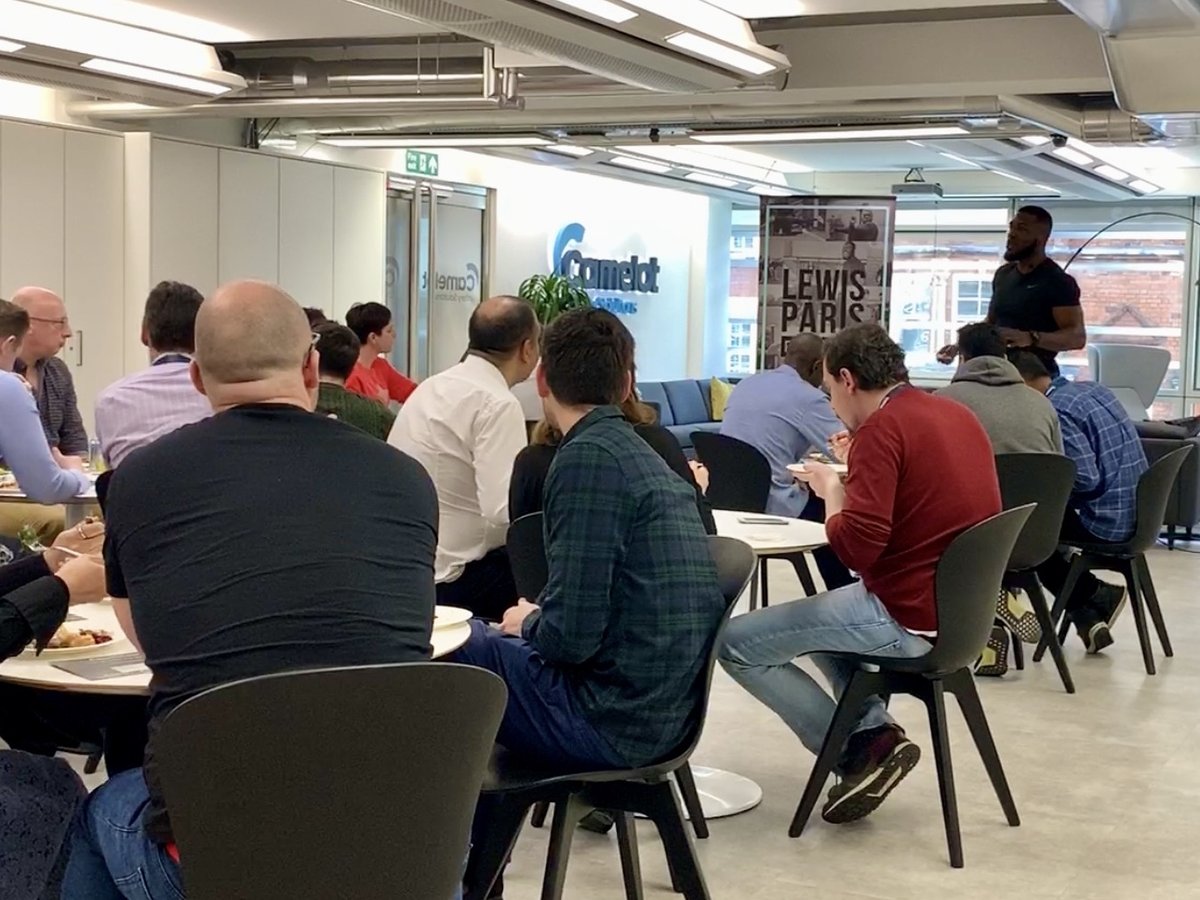
Experience with Oracle Red Bull Sim Racing · Red Bull UK · Advancing The Seed · Camelot (2020)
I'm a coach, not a doctor or therapist. This work supports your EAP, occupational health and HR, and never replaces them. Anyone who needs clinical support is signposted to the right professional.
Frequently asked questions
What's the difference between stress and burnout?
Stress is the response to pressure, and it can be short-lived. Burnout develops when high pressure continues without enough recovery, leaving people exhausted, detached and less effective. The aim of prevention is to act during the stress stage, before burnout sets in.
What if someone in the team is already off with burnout?
Team sessions are designed for people who are at work. Anyone signed off should be supported through their GP and occupational health first. 1:1 coaching may help later, alongside that support.
Can you run a version for managers?
Yes. Every session is tailored, and a manager version focuses on spotting early signals in the team and starting supportive conversations.
How do you measure impact?
Programmes include an anonymous before-and-after pulse survey on energy, stress, sleep, confidence and focus. Individual answers are never shared.
Can it be delivered online?
Yes. Talks, workshops and programmes run onsite across the UK or online.