Organisations
Employee Burnout: 10 Warning Signs Managers Miss (and What to Do)

Lewis Paris
· 4 min read
The people most likely to burn out are rarely the ones you're worried about.
They're your high performers. The reliable ones. The person everyone goes to because they always say yes and always deliver. They look fine. They say they're fine. And then, often without much warning, they're signed off, or they resign.
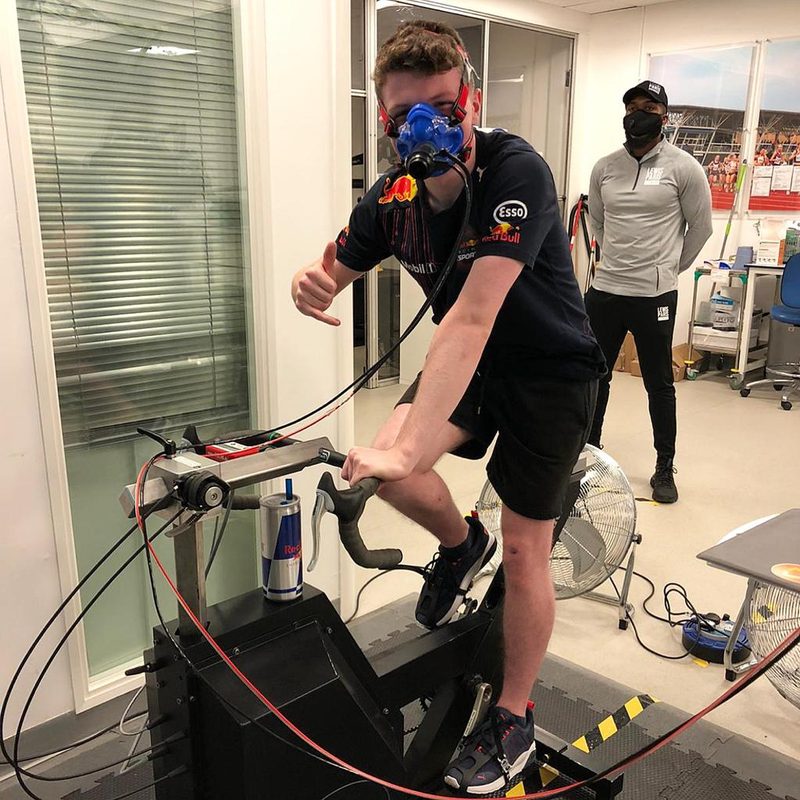
For six years I was a Human Performance Coach at Red Bull Sim Racing, helping elite drivers perform under pressure. I've also lived burnout myself. The pattern is the same on a racetrack and in an office: performance rarely drops suddenly. It leaks slowly first. The signals are there if you know what to look for.
Why burnout matters to your organisation
Work-related stress, depression and anxiety are now the biggest cause of work-related ill health in Great Britain. HSE figures for 2024/25 estimate they affected around 964,000 workers and led to around 22.1 million lost working days.
The cost isn't only sickness absence. Deloitte's 2024 research estimated that poor mental health costs UK employers around £51 billion a year, with the biggest share coming from presenteeism: people at work but not performing at their best.
10 signs of employee burnout
Changes in energy
- Constant tiredness: low energy in meetings, or relying on caffeine to get through the day
- Working longer but achieving less: late emails, weekend working and slipping output
- More frequent short absences: colds, headaches and "I'm just run down"
Changes in behaviour
- Withdrawal: cameras off, quieter in meetings, skipping social events
- Irritability or cynicism: short replies, frustration over small things, "what's the point?"
- Reduced care: a usually meticulous person missing details
- Never switching off: no annual leave booked, or always online while on leave
Changes in performance
- More mistakes and missed deadlines
- Difficulty making decisions or prioritising
- Loss of enthusiasm for work they used to love
One sign on its own may mean nothing. Several together, especially in someone who used to be thriving, is worth a conversation.
What causes burnout at work?
Burnout isn't a personal weakness. It's usually the result of how work is designed. The HSE's Management Standards highlight six areas that drive work-related stress:
- Demands: workload and work patterns
- Control: how much say people have over how they work
- Support: from managers and colleagues
- Relationships: including conflict and difficult behaviour
- Role: clarity about what's expected
- Change: how organisational change is managed and communicated
People-facing roles carry extra load: dealing with complaints, difficult conversations and emotionally demanding clients all day, then taking it home.
What managers can do
1. Check in properly. Not "you OK?" in passing. Ask "How are you finding your workload at the moment?", and then listen.
2. Watch the high performers. Your most reliable people often need the most protection from overload.
3. Model recovery. If leaders send emails at 11pm and never take leave, the team learns that's the standard.
4. Protect focus time and breaks. Back-to-back meetings with no break are a fast route to exhaustion.
5. Be clear about priorities. When everything is urgent, nothing is. Help people decide what can wait.
6. Make support visible. Remind people about your Employee Assistance Programme, occupational health and wellbeing resources, and make it normal to use them.
7. Act on the causes, not just the symptoms. Wellbeing apps and yoga sessions help, but they won't fix unmanageable workloads or unclear roles.
Prevention beats cure
The best time to deal with burnout is before it starts. My workshops and programmes teach teams to spot their own signals early, widen their capacity for pressure through sleep, recovery and stress regulation, and build habits that last.
If you'd like to talk about your team: 👉 Book a free 30-minute intro call. You'll receive a tailored proposal within 48 hours.
Frequently asked questions
What are the signs of burnout in employees? Constant tiredness, withdrawal, irritability or cynicism, more mistakes, longer hours with lower output, and frequent short absences.
How can employers prevent burnout? Manage workloads, give people more control and clarity, train managers to spot early signs, model healthy working habits, and offer practical support.
Is burnout the employer's responsibility? UK employers have a legal duty to assess and manage the risk of work-related stress. Burnout prevention is part of that duty of care.
Sources: HSE, Work-related stress, depression or anxiety statistics, Great Britain 2024/25. Deloitte, Mental health and employers, 2024.
Related reading: How to reduce stress in the workplace · Presenteeism: the hidden cost of burnout