Vitiligo
Just Diagnosed With Vitiligo? 10 Things I Wish Someone Had Told Me

Lewis Paris
· 5 min read
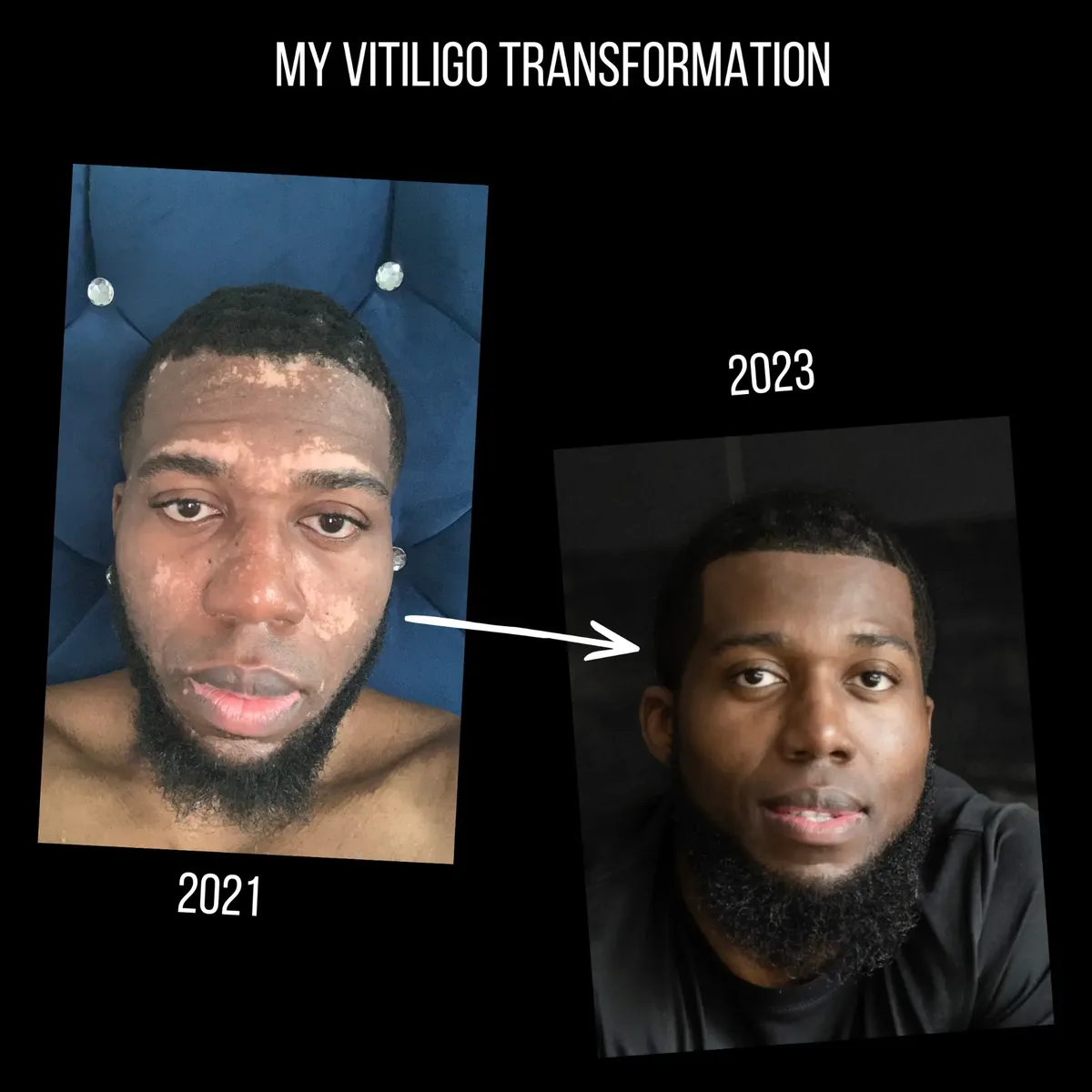
I'd seen people with vitiligo before and assumed you were born with it. So when I was diagnosed in 2020, as an adult, it caught me completely off guard.
First came shock. Then disbelief. Then the questions. Why me? Why now? Is it going to spread? Will people stare?
If you've just been diagnosed, or you've noticed your first white patch and you're waiting to see a doctor, this is what I wish someone had told me in week one.
1. You're not alone
Vitiligo affects around 1 in 100 people worldwide, across every skin tone. It often appears in adulthood, and commonly after a big life event: pregnancy, an illness, a period of intense stress or a change in routine. I've spoken to new mums, nurses, students, business owners and retirees. It doesn't discriminate.
2. It isn't contagious, and it isn't your fault
You can't catch it and you can't pass it on by touch. And you didn't "do" this to yourself. Vitiligo is linked to the immune system and genetics, with things like stress, illness or skin injury often acting as triggers.
3. The early signs are easy to miss
Vitiligo often starts as a small pale patch around the eyes, mouth, hands, wrists, elbows, knees or hairline. Some people notice white hairs in their eyebrows, beard or scalp first. If you've noticed a patch that's lighter than your natural skin tone and getting bigger, see your GP.
4. Getting a diagnosis can take time
Your GP may diagnose it, or refer you to a dermatologist. Many people I speak to are on long NHS waiting lists for dermatology. While you wait, you can still take care of the things in your control: your stress, sleep and health. Ask your GP whether a blood test makes sense, as thyroid problems and some vitamin deficiencies are more common in people with vitiligo.
5. There are medical treatments, and they work differently for everyone
Depending on where your vitiligo is and how active it is, your doctor might suggest steroid creams, other prescription creams or ointments, light therapy (phototherapy), or newer treatments. Results vary a lot from person to person. Ask your dermatologist about the benefits, side effects and how long to try each one. And never stop a prescribed treatment without talking to them first.
6. Nobody can honestly promise you your colour back
Be wary of anyone selling a "cure" or a "miracle" product. Some people repigment and some don't. I made a decision early on: I'd do everything I could to give my body its best chance, and I'd build a life I loved whatever my skin did. That decision took a huge weight off.
7. Stress is part of the picture
For many of us, vitiligo appears or spreads during stressful periods. Then the vitiligo itself becomes a new source of stress. Learning to calm your nervous system isn't "soft". For me, it was the foundation everything else was built on. (I go into this in Can stress cause vitiligo?)
8. Protect your skin in the sun
Patches without pigment burn more easily. Use a organic SPF sunscreen on exposed patches and never let them burn. Ask your dermatologist about sensible sun exposure for your skin, as controlled light is part of some treatments.
9. The emotional side is real
Some people hardly think about it. For others, it changes everything: hiding under hats and long sleeves, avoiding photos, dreading weddings, holidays and dates. If that's you, you're not being dramatic. Visible differences can affect self-esteem, relationships and mental health. Charities like the Vitiligo Society and Changing Faces have great resources, and talking helps.
10. Your skin is part of your story, not your identity
The patches say nothing about your worth, your capability or your future. The most powerful thing I did wasn't a treatment. It was rebuilding how I saw myself. Today I walk down the street, head up, without a hat.
Your first-week checklist
- See your GP, and ask about a dermatology referral and a blood test
- Protect your patches with sunscreen
- Take one photo for your records, then stop checking daily
- Write down what was happening in your life before the patches appeared
- Tell one person you trust how you feel
- Watch my free video, where I share my full vitiligo story
Frequently asked questions
What are the first signs of vitiligo? Small patches lighter than your natural skin tone, often around the eyes, mouth, hands or hairline, and sometimes white hairs in the eyebrows, beard or scalp.
Can vitiligo be cured? There's currently no cure, but treatments can help some people regain colour or slow the spread. Results vary.
Should I see a dermatologist for vitiligo? Yes, if possible. Start with your GP, who can diagnose you or refer you.
You don't have to figure this out alone
When I was diagnosed, I had a cream and a leaflet. No one helped with the rest: the fear, the hiding, the stress. That's what I do now.
👉 Book a 30-minute discovery call. It's £25, and that comes off your next step if we work together. 📺 Or start with my free video: Vitiligo Changed My Life, Here's How I Took Back Control
This article shares my personal experience and is not medical advice. Please speak to your GP or dermatologist about diagnosis and treatment.
Related reading: Vitiligo diet: what I eat and cut back on · Living with vitiligo: how to stop hiding
Become Unstoppable. Stay Dangerous!