Vitiligo
Can Stress Cause Vitiligo? What I Learned From My Own Diagnosis

Lewis Paris
· 5 min read
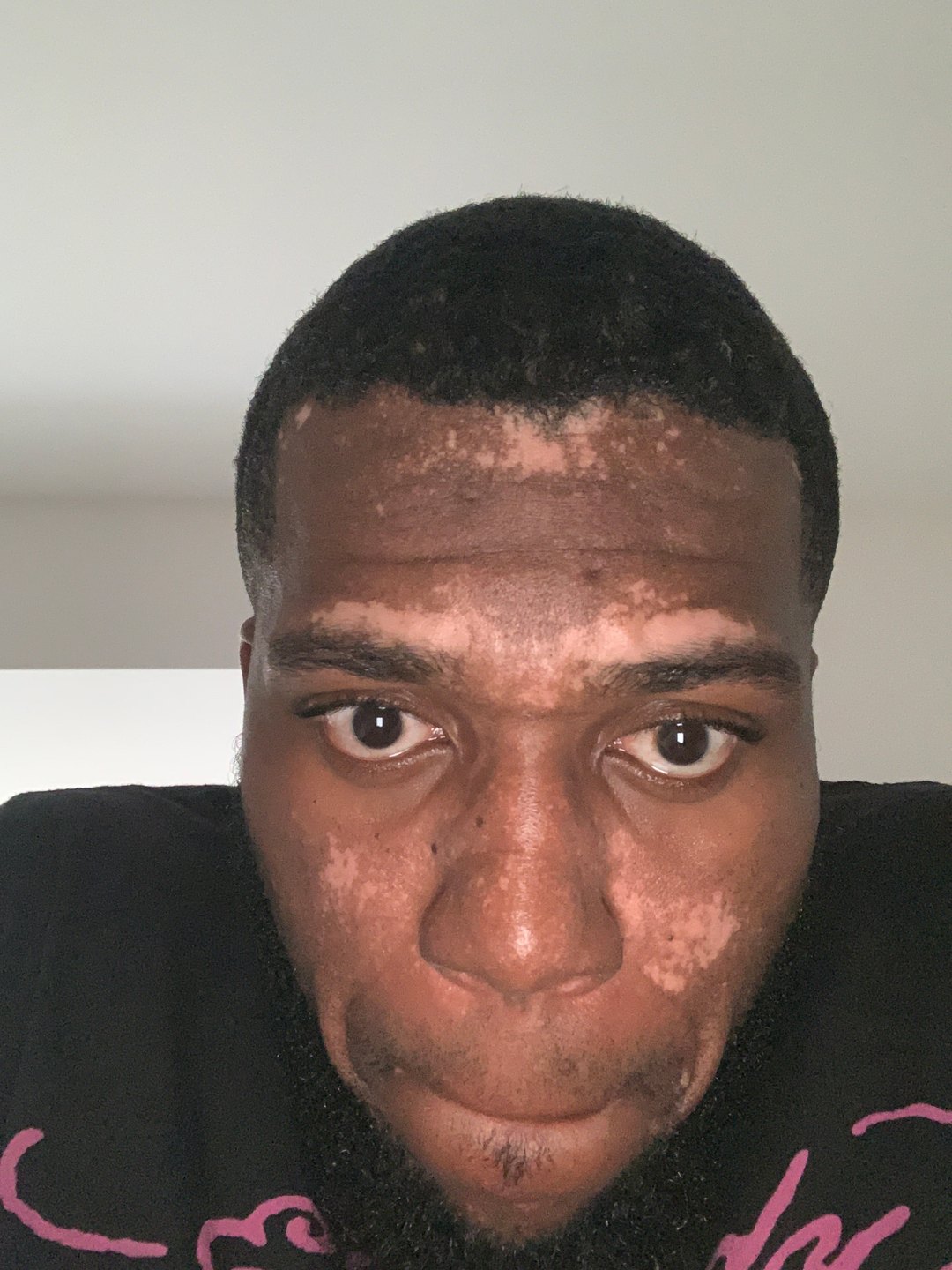
In the first weeks of lockdown in 2020, I was diagnosed with vitiligo. It started with a single white patch above my eyebrow. By 2021, around half my face had changed colour.
When I looked back honestly, the warning signs had been there for a long time. I was running a business on five hours' sleep, buying a house, managing a blended household and telling everyone (including myself) that I was fine. Low energy, poor sleep, mood swings, anxiety. I ignored all of it.
I can't know whether stress contributed to my vitiligo. The timing made me look more closely at what was happening in my life, but it doesn't prove a cause.
So when people ask me "can stress cause vitiligo?", I understand exactly why. It's one of the most common questions I get on calls, in my DMs and under every video I post. Here's the honest answer.
What actually causes vitiligo?
Vitiligo is a condition where the cells that give your skin its colour (melanocytes) stop working or are destroyed, leaving lighter or white patches. It affects around 1 in 100 people worldwide, across all skin tones, but it's far more visible on darker skin.
The exact cause still isn't fully understood. The research points to a mix of factors:
- The immune system: in most people, vitiligo behaves like an autoimmune condition. The immune system mistakes melanocytes for a threat and attacks them.
- Genetics: vitiligo can run in families.
- Triggers: many people notice their first patches after a stressful event, an illness, a skin injury, sunburn or exposure to certain chemicals.
Stress may be reported around the time vitiligo develops, but that doesn't establish that stress caused it. Your dermatologist can help you understand the condition and your treatment options.
Can stress make vitiligo worse?
This is an understandable question, but managing stress isn't a proven way to stop vitiligo spreading.
Stress can affect your wellbeing and sleep. That doesn't mean a particular cortisol level or stress response caused your vitiligo to spread.
I noticed changes during stressful periods in my own life. That's my experience, not proof that stress caused them. People may also notice changes around life events such as:
- after a bereavement, a breakup or a family crisis
- during pregnancy or the first year after having a baby
- after an illness
- after a move to a high-pressure job, or a new desk-based routine
- after years of being "the one who holds everything together"
And then there's the stress caused by vitiligo. Checking your skin in the mirror every morning. Panic-buying creams. Lying awake wondering if it's spreading. I call this the check and worry loop. Worry can be exhausting, but it doesn't mean you're responsible for changes in your skin.
The source, not the symptom
The principle my whole approach is built on is simple: focus on the source, not the symptom.
Vitiligo patches are a sign of changes in skin pigment, not a reliable sign of an underlying stressor. When I started looking at my stress, sleep, recovery and the way I spoke to myself, my energy, mood and sleep improved. I noticed changes in my skin too, but I can't establish what caused them.
I'm careful how I say that, because I'll never promise anyone their colour back. Some people repigment and some don't. Stress-management practices may support wellbeing, but they are not a vitiligo treatment or a guarantee of improvement.
5 ways to break the stress and vitiligo cycle
1. Reduce anxious checking. If repeated mirror checks leave you distressed, consider setting a gentler routine. Keep any monitoring your dermatologist recommends.
2. Protect your sleep. Sleep is when your body repairs. Aim for a consistent bedtime, a dark, cool room and no screens for 30 minutes before bed.
3. Use your breath. When you feel panic rising, you could try two gentle breaths in through the nose, then one long, slow breath out through the mouth. Some people find slow breathing calming; stop if it makes you dizzy or uncomfortable.
4. Explore your stressors. Ask yourself what is putting pressure on you now and what support might help. Writing it down may help you notice patterns, without assuming that those pressures caused your vitiligo.
5. Talk about it. Hiding is exhausting. Telling one person you trust how you really feel about your skin takes enormous pressure off.
Keep your doctor in the loop
Coaching works alongside medical care, never instead of it. If your vitiligo is new, spreading quickly or you have other symptoms, speak to your GP or dermatologist. Ask whether thyroid checks or other tests are appropriate for you; not everyone needs the same tests.
Frequently asked questions
Can stress cause vitiligo? The exact cause of vitiligo is not fully understood. The immune system and genetics play a role. Stress may coincide with changes for some people, but this article can't establish that it caused my vitiligo or anyone else's.
Can vitiligo go away if I reduce stress? Reducing stress is not a proven way to make vitiligo go away or stop it spreading. Changes vary, and full return of colour is not guaranteed.
Is vitiligo contagious? No. You can't catch vitiligo or pass it on through touch.
Want help breaking the cycle?
I've lived with vitiligo since 2020. I help people manage stress, support their wellbeing and stop hiding, alongside medical care.
👉 Book a 30-minute discovery call. It's £25, credited towards your 1:1 Session or 12-week programme if you go ahead within 7 days of the call. 📘 Or start with The Vitiligo Reset, everything I did, step by step.
This article shares my personal experience and is not medical advice. Please speak to your GP or dermatologist about your treatment.
Further information: NHS: Vitiligo · British Association of Dermatologists: Vitiligo
Become Unstoppable. Stay Dangerous!